
Introduction
Internet and networking technologies are developing rapidly in 2026. Faster broadband, advanced Wi-Fi, 5G, fiber-optic networks, cloud computing, artificial intelligence, edge computing, satellite internet, and stronger cybersecurity are changing the way people and businesses connect.
Modern networking is no longer focused only on download speed. Users and organizations also need low latency, reliable connections, strong security, scalability, intelligent automation, and efficient infrastructure.
Whether you are a home user, gamer, business owner, student, or technology professional, understanding the best internet and networking technologies can help you make better decisions.
This guide explores the most important networking technologies in 2026 and explains their benefits, applications, challenges, and future potential.
1. Fiber-Optic Internet
Fiber-optic broadband remains one of the best technologies for high-speed fixed internet.
Fiber uses light to transmit data through optical cables, allowing large amounts of information to travel quickly and reliably.
Key Benefits
- Very high bandwidth
- Low latency
- Reliable performance
- Strong long-distance transmission
- Excellent support for high-demand applications
Fiber is particularly useful for homes and businesses that depend on stable internet connections.
2. 5G Networking
5G is one of the most important wireless technologies in 2026.
It is designed to provide:
- Faster mobile connectivity
- Lower latency
- Greater network capacity
- Improved reliability
- Support for many connected devices
5G Applications
5G can support:
- Mobile broadband
- Smart cities
- Connected vehicles
- IoT
- Cloud gaming
- Industrial automation
As 5G infrastructure continues to expand, wireless connectivity is becoming more capable.
3. Wi-Fi 7
Wi-Fi 7 is a major advancement in wireless networking.
It is designed to improve wireless performance using technologies such as wider channels and multi-link operation.
Benefits
Wi-Fi 7 can provide:
- Higher throughput
- Lower latency
- Better efficiency
- Improved reliability
- Better performance with multiple devices
It can be especially useful in busy homes, offices, gaming environments, and high-bandwidth applications.
4. Cloud Networking
Cloud networking allows organizations to connect applications, users, data, and infrastructure through cloud platforms.
Businesses can use cloud networking for:
- Remote work
- Cloud applications
- Data storage
- Enterprise systems
- AI workloads
- Distributed offices
Advantages
Cloud networking can provide:
- Scalability
- Flexibility
- Centralized management
- Faster deployment
- Remote accessibility
5. Edge Computing
Edge computing moves some processing closer to the user or device.
Instead of sending every request to a distant cloud data center, certain tasks can be handled closer to where the data is generated.
Benefits
- Lower latency
- Faster responses
- Reduced bandwidth usage
- Better real-time processing
Edge computing can support smart factories, connected vehicles, gaming, IoT, healthcare, and smart cities.
6. Artificial Intelligence in Networking
AI is changing the way networks are monitored and managed.
AI systems can analyze network information to identify:
- Unusual traffic
- Performance problems
- Security threats
- Network congestion
- Potential failures
AI-Powered Networking
AI can also help automate certain network tasks, making infrastructure more efficient and responsive.
7. Network Automation
Network automation allows software to perform repetitive tasks automatically.
Examples include:
- Configuration
- Monitoring
- Updates
- Traffic management
- Troubleshooting
Automation can reduce human errors and save time for network administrators.
8. Zero-Trust Security
Security is becoming increasingly important as organizations adopt cloud services and remote work.
Zero-trust security operates around the principle that users and devices should not automatically be trusted.
Access decisions can consider:
- User identity
- Device status
- Permissions
- Context
- Security policies
This can help organizations protect distributed systems.
9. Satellite Internet
Satellite internet provides connectivity through satellites instead of traditional terrestrial networks.
It can be particularly useful in remote locations.
Potential Applications
- Rural internet
- Remote businesses
- Ships
- Emergency communications
- Remote infrastructure
Modern low-Earth-orbit satellite systems can provide improved latency compared with older satellite approaches.
10. Private 5G Networks
Private 5G networks are designed for specific businesses or locations.
They can be used in:
- Manufacturing
- Warehouses
- Hospitals
- Airports
- Universities
- Industrial facilities
Benefits
Organizations can gain greater control over network performance, connectivity, and security.
11. Internet of Things
The Internet of Things connects physical devices to networks.
Examples include:
- Smart appliances
- Security cameras
- Wearables
- Industrial sensors
- Connected vehicles
- Smart lighting
IoT is increasing demand for scalable and secure networking infrastructure.
12. Smart Home Networking
Smart homes depend heavily on reliable Wi-Fi and internet connectivity.
A modern smart home may include:
- Smart TVs
- Cameras
- Speakers
- Doorbells
- Thermostats
- Lighting systems
- Connected appliances
A modern router with strong security can help manage these devices more effectively.
13. Advanced Ethernet
Ethernet remains an important wired networking technology.
It is widely used for:
- Gaming PCs
- Offices
- Servers
- Data centers
- Industrial networks
Wired connections can provide excellent stability and low latency.
For demanding applications, Ethernet can sometimes be preferable to wireless connectivity.
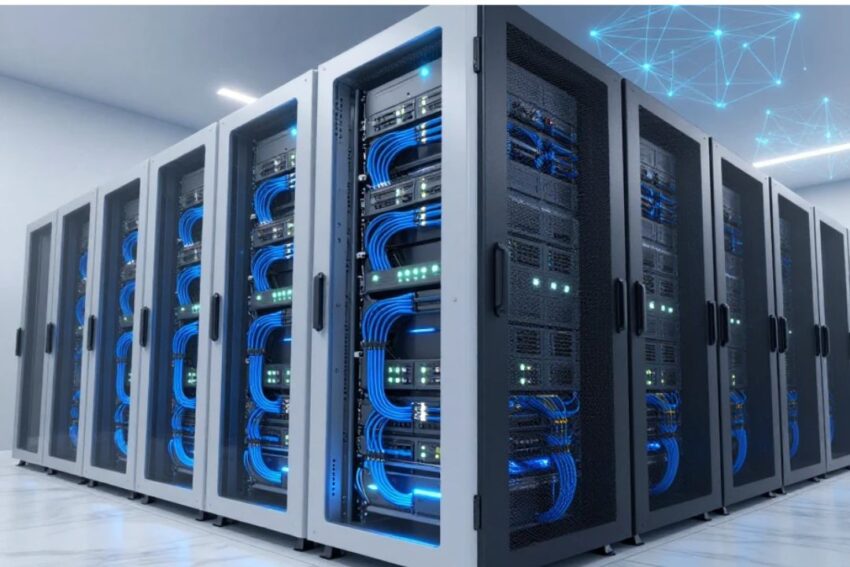
14. High-Speed Data Center Networking
Data centers are the foundation of many online services.
They support:
- Cloud applications
- AI systems
- Streaming
- Gaming
- Websites
- Enterprise software
Modern data centers need extremely fast and efficient networks to move information between servers, storage, and computing systems.
15. Networking for Artificial Intelligence
AI workloads are increasing demand for high-performance networking.
AI infrastructure often requires data to move rapidly between:
- GPUs
- CPUs
- Storage
- Memory
- Servers
This makes high-bandwidth and low-latency networking increasingly important.
16. Low-Latency Networking
Low latency is critical for many modern applications.
It is especially important for:
- Online gaming
- Cloud gaming
- Video conferencing
- Financial services
- Autonomous systems
- Remote operations
A fast connection with high latency may still provide a poor experience for real-time applications.
17. Network Security Technologies
Modern networks require multiple layers of security.
Important technologies include:
- Firewalls
- Encryption
- Multi-factor authentication
- Intrusion detection
- Network segmentation
- Identity management
No single technology can provide complete protection, so organizations generally use multiple security controls.
18. Software-Defined Networking
Software-defined networking provides centralized software-based control over network infrastructure.
Advantages
- Easier management
- Automation
- Flexibility
- Centralized control
- Scalability
SDN can be particularly useful for large enterprise environments and data centers.
19. Network Function Virtualization
Network Function Virtualization allows networking functions to operate as software.
Examples include:
- Virtual routers
- Virtual firewalls
- Load balancers
- Security services
This can make network infrastructure more flexible and easier to deploy.
20. IPv6
IPv6 is designed to provide a much larger address space than IPv4.
This is increasingly important as the number of connected devices continues to grow.
IPv6 can support the expanding ecosystem of:
- Smartphones
- IoT devices
- Cloud systems
- Smart cities
- Connected vehicles
21. Future Wireless Technologies
The networking industry continues to research future wireless generations.
Emerging technologies may focus on:
- Higher speeds
- Lower latency
- Better energy efficiency
- Greater device capacity
- Intelligent networking
Future wireless systems could support increasingly advanced digital applications.
22. Green Networking
Energy efficiency is becoming increasingly important.
Networking equipment and data centers consume significant amounts of electricity.
Green networking focuses on:
- Energy-efficient hardware
- Better cooling
- Intelligent power management
- Efficient data processing
- Renewable energy
These improvements can help reduce operational costs and environmental impact.
23. Networking for Online Gaming
Gaming requires reliable network performance.
Important factors include:
- Ping
- Packet loss
- Stability
- Bandwidth
- Router quality
Competitive gamers often prioritize low latency and stable connections over maximum download speeds.
24. Networking for Remote Work
Remote work has increased demand for secure internet connections.
Employees need access to:
- Cloud applications
- Video meetings
- Collaboration platforms
- Company systems
- Digital files
Cloud networking and modern security technologies can help businesses support distributed teams.
25. Networking for Smart Cities
Smart cities rely on networks to connect infrastructure and sensors.
Applications include:
- Traffic monitoring
- Public transportation
- Energy management
- Water systems
- Environmental monitoring
- Public safety
Edge computing and AI can process this information and support faster responses.
How to Choose the Best Internet Technology
The best networking technology depends on your needs.
For Home Users
Consider:
- Fiber broadband
- Wi-Fi 6/7 equipment
- Modern routers
- Strong security
For Gamers
Prioritize:
- Low latency
- Ethernet
- High-quality Wi-Fi
- Stable broadband
For Businesses
Consider:
- Fiber
- Cloud networking
- Zero-trust security
- Network automation
- Private 5G where appropriate
For Rural Users
Depending on availability, consider:
- Fiber
- Fixed wireless
- 5G
- Satellite internet
Benefits of Modern Networking Technologies
Modern networking offers several advantages.
Faster Internet
Users can download and upload large amounts of data more quickly.
Lower Latency
Real-time applications can respond faster.
Greater Reliability
Advanced infrastructure can provide more consistent connectivity.
Improved Security
Modern security technologies can protect users and organizations.
Better Scalability
Cloud and software-defined technologies make it easier to expand infrastructure.
More Automation
AI and software can reduce manual network management.
Challenges of Modern Networking
Despite rapid progress, there are still several challenges.
High Infrastructure Costs
Fiber, wireless infrastructure, satellites, and data centers require major investments.
Cybersecurity Risks
More connected devices create more potential targets.
Privacy Concerns
Connected services can process large amounts of data.
Digital Divide
Some communities still lack reliable high-speed internet.
Energy Consumption
Large networking systems and data centers consume substantial energy.
Technical Complexity
Modern networks can involve thousands of devices and services.
Future Opportunities
Internet and networking technology is creating opportunities across many industries.
Artificial Intelligence
AI needs powerful networking infrastructure to move data efficiently.
Cloud Computing
Businesses continue to adopt cloud services.
Smart Cities
Connected infrastructure requires reliable networks.
Autonomous Vehicles
Vehicles need communication with infrastructure and cloud systems.
Healthcare
Connected medical devices can support remote monitoring and digital healthcare services.
Industrial Automation
Factories can use advanced networking for connected machines and real-time monitoring.
Frequently Asked Questions
What is the best internet technology in 2026?
For fixed high-speed connections, fiber is one of the strongest options where available. Wi-Fi 7, 5G, satellite, and other technologies serve different connectivity needs.
Is Wi-Fi 7 better than older Wi-Fi?
Wi-Fi 7 is designed to provide higher performance, lower latency, and better efficiency with compatible hardware.
Is fiber better than 5G?
Fiber is generally a strong fixed broadband technology, while 5G provides wireless flexibility and mobility. The better choice depends on location and use case.
Is satellite internet good for rural areas?
It can be a valuable option where terrestrial broadband is unavailable or difficult to deploy.
Why is low latency important for gaming?
Low latency reduces the delay between a player’s action and the game’s response, which is especially important for competitive gaming.
How is AI changing networking?
AI can help monitor networks, identify unusual activity, optimize resources, predict problems, and automate certain network-management tasks.
Conclusion
The best Internet and networking technologies in 2026 are creating faster, smarter, and more secure digital connections. Fiber-optic broadband, 5G, Wi-Fi 7, cloud networking, edge computing, AI, satellite internet, private 5G, IoT, and advanced cybersecurity are among the most important technologies shaping the industry.
Each technology has a different purpose. Fiber is excellent for high-speed fixed connectivity, 5G provides powerful mobile connectivity, Wi-Fi 7 improves wireless networks, and satellite internet can help connect remote locations.
Meanwhile, cloud networking, edge computing, AI, and network automation are transforming how businesses design and manage their infrastructure.
The future will not depend on a single networking technology. Instead, multiple technologies will work together to create a fast, intelligent, secure, reliable, and highly connected digital ecosystem.
As demand for AI, cloud applications, smart devices, gaming, streaming, remote work, and connected infrastructure continues to grow, networking will remain one of the most important foundations of modern technology.